Immunology and Molecular Pathogenesis Graduate Program at Emory University


Immunofluorescent labeling of the polyoma virus receptor GD1a(red) on the surface of fibroblast cells. Image courtesy of the Kalman lab.


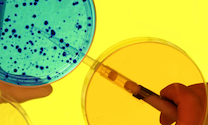
IMP student, Jessica Shartouny's, Image was featured on the recent cover of "Immunity". The image referenced fellow IMP student, David Holthausen's "Immunity" article "An Amphibian Host Defense Peptide is Virucidal for Human H1 Hemagglutinin-Bearing Influenza Viruses". Holthausen DJ, Lee SH, Kumar VT,Bouvier NM, Krammer F, Ellebedy AH, Wrammer J, Lowen AC, George S, Pillai MR, Jacob J. An Amphibian Host Defense Peptide is Virucidal Human H1 Hemagglutinin-Bearing Influenza Viruses. "Immunity" 2017 Apr 18; 46(4): 587-595
- Slide 1: Caption text here Caption credit
- Slide 2: caption here caption credit
- Slide 3:
- Slide 4: Immunofluorescent labeling of the polyoma virus receptor GD1a(red) on the surface of fibroblast cells. Image courtesy of the Kalman lab.
- Slide 5:
- Slide 6: IMP student, Jessica Shartouny's, Image was featured on the recent cover of "Immunity". The image referenced fellow IMP student, David Holthausen's "Immunity" article "An Amphibian Host Defense Peptide is Virucidal for Human H1 Hemagglutinin-Bearing Influenza Viruses". Holthausen DJ, Lee SH, Kumar VT,Bouvier NM, Krammer F, Ellebedy AH, Wrammer J, Lowen AC, George S, Pillai MR, Jacob J. An Amphibian Host Defense Peptide is Virucidal Human H1 Hemagglutinin-Bearing Influenza Viruses. "Immunity" 2017 Apr 18; 46(4): 587-595
About the Program

Emory University's Immunology and Molecular Pathogenesis Graduate Program is a part of the broader Graduate Division of Biological and Biomedical Sciences at Emory, which offers Ph.D.-level research training in many areas of biology.
The IMP program provides students with a background in both molecular and cellular aspects of immunology and the role that immune systems play in the development of infectious diseases.
Faculty members are affiliated with basic science and clinical departments in the School of Medicine, the Emory Vaccine Center, the National Primate Research Center, as well as the adjacent U.S. Centers for Disease Control and Prevention—offering a rich research environment with many opportunities for students to participate in ongoing projects, as well as participate in training experiences outside Emory.
The IMP curriculum provides students with a broad understanding of immunology and infectious disease pathogenesis through coursework, laboratory experiences, and mentored research projects under faculty supervision. Students are encouraged to pursue their own research interests through independent study projects or directed studies courses.
Research
The Immunology and Molecular Pathogenesis (IMP) program offers exceptional interdisciplinary training in molecular and cellular immunology and the role of the immune system in the pathogenesis of infectious disease.
Offers research opportunities in pathogenesis, ranging from basic immunology to the molecular biology of viral, bacterial, and protozoal pathogens. This program uses a wide range of experimental approaches in immunobiology, molecular and cell biology, pathobiology, and genetics.
Faculty
Emory University's Immunology & Molecular Pathogenesis Graduate Program faculty are committed to providing students with an education that will inspire a lifelong dedication to their discipline. They are experts in their fields and are focused on advancing their research while also ensuring that their students have access to cutting-edge research techniques and a dynamic learning environment. To that end, they will work with students one-on-one to help them develop a plan for their future and make connections in the field that will be beneficial long after graduation.
Alumni
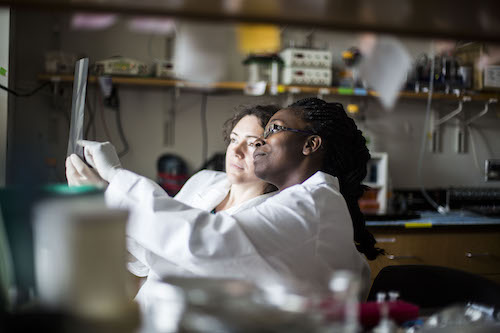
IMP graduates are highly sought after by employers in various industries, including healthcare agencies, pharmaceautical companies, and government agencies. They work as researchers, laboratory managers, and technical specialists in the industry and pursue independent research careers at universities or medical schools.
Life at Emory & Atlanta

Life at Emory University is one of the most exciting and intellectually stimulating experiences you could ask for.
A diverse, inclusive community welcomes students and faculty from all over the world. You'll find plenty of opportunities to get involved in campus life—and many resources available that will help you thrive as an Emory student.
The university has consistently ranked among the top 20 institutions nationally for NIH research support and was named one of the "New Ivies" by Newsweek—a tribute to both its academic excellence, as well as dedication to teaching.Our faculty members are some of the most distinguished scholars in their fields and work closely with undergraduate students on research projects, independent study courses, or senior thesis projects.
Located just 6 miles northeast of downtown Atlanta, Emory's 704-acre campus is in a beautifully wooded area that offers students a peaceful environment to study but also provides easy access to Atlanta's bustling cultural scene.